

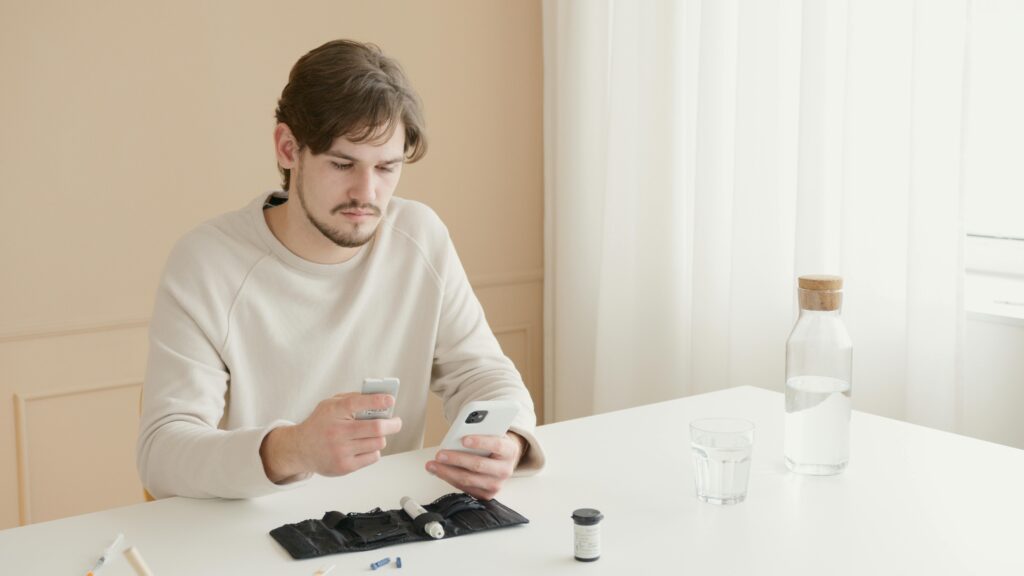
Anxiety has become one of the most common emotional challenges people face today. Whether it comes from work pressure, family responsibilities, financial uncertainty, or simply the fast pace of life, anxiety can affect anyone at any time. At The Dr Is In, we help individuals understand that anxiety does not make you weak—it simply means your mind and body are asking for support.
Here are five powerful, practical strategies that can help you reduce anxiety and regain a sense of calm and control in your daily life.
1. Practice Conscious Breathing
One of the fastest ways to calm anxiety is through deep, intentional breathing. When anxiety rises, your breath becomes rapid and shallow, signaling danger to your brain. Slowing your breathing sends the opposite message—“I am safe.”
Try this technique: inhale for a count of four, hold for two seconds, and exhale for six. Repeat this cycle for two minutes. This method activates your parasympathetic nervous system, helping your mind relax.
2. Challenge the Story in Your Mind
Most anxiety is not caused by actual events, but by the interpretation of those events. Our minds often jump to the worst possible scenario, creating unnecessary fear.
Whenever you notice yourself spiraling, pause and ask:
- Is this fear based on facts or assumptions?
- Is there evidence for this thought?
- What is a more balanced perspective I can consider?
By questioning the story, you weaken anxiety’s power.
3. Create a Healthy Routine
Anxiety thrives in chaos. Establishing small daily habits helps create predictability, which reduces mental stress. You don’t need a strict schedule—just consistency.
Examples include:
- Morning grounding practice
- Drinking enough water
- Regular meals
- Light movement or exercise
- Limiting screen time before bed
These routines stabilize your emotional system.
4. Limit Triggers Where Possible
Some triggers can’t be avoided, like responsibilities or challenging relationships. But others can be controlled. Pay attention to what heightens your anxiety—too much caffeine, late-night scrolling, certain people, or an overwhelming workload.
Even reducing one trigger can significantly improve your emotional wellbeing.
5. Seek Professional Support When Needed
If anxiety begins to affect your relationships, sleep, work, or daily functioning, it may be time to seek support. A professional can help you identify the root cause, build coping strategies, and understand patterns you may not notice on your own.
At The Dr Is In, we provide a safe, non-judgmental space to work through anxiety with practical tools that truly help.
Final Thoughts
Anxiety is not a sign of weakness; it is a sign that your body and mind need care. With the right strategies and support, you can regain balance and live more peacefully. You deserve calm, clarity, and confidence — and help is always available.